








Australian businesses need eco-friendly promotional products. It’s not optional anymore. Customer expectations have shifted. Environmental responsibility drives purchasing decisions. Your branded merchandise needs to reflect genuine sustainability commitments.
The old playbook? Dead. Cheap plastic giveaways damage your brand reputation. They contradict environmental messaging. Smart businesses are switching to sustainable alternatives that actually get used.
This guide covers everything you need to know about eco-friendly promotional products in 2025. Market trends. Product categories. Business benefits. You’ll learn how to choose sustainable options that strengthen your brand while protecting the planet.
The Australian Market Reality Check
Consumer behaviour has fundamentally changed. Gen Z and millennials actively avoid brands with poor environmental records. They research sustainability claims. They call out greenwashing. Your promotional products are under scrutiny.
Australian regulations are tightening fast. The National Plastics Plan targets single-use items. NSW, Victoria, and Queensland have banned plastic bags and straws. More restrictions are coming. Businesses using outdated promotional products face compliance risks.
Government procurement processes now prioritise sustainable suppliers. ESG reporting requirements include promotional product sourcing. Your branded merchandise choices affect tender outcomes. Stakeholder relationships, too.
Corporate sustainability isn’t just marketing anymore. It’s a business strategy. Promotional products must align with environmental commitments. Inconsistency damages credibility. Stakeholder trust erodes.
Why Sustainable Promotional Products Win
Better user retention drives higher ROI. People keep useful, eco-friendly items longer. A quality reusable water bottle generates thousands of brand impressions. Cheap plastic alternatives get thrown away immediately.
Environmental responsibility builds customer loyalty. Sustainable promotional products demonstrate authentic values. They create positive brand associations. Recipients feel good about using them.
Cost-effectiveness comes from longevity. Durable items provide extended brand exposure. Initial investment pays off through sustained visibility. Quality sustainable products outperform disposable alternatives. Every time.
Employee engagement improves with values alignment. Staff want to work for environmentally responsible employers. It matters for recruitment. Retention too. Sustainable promotional products for remote teams boost morale.
Product Categories That Actually Work
Reusable Drinkware: The Marketing Powerhouse
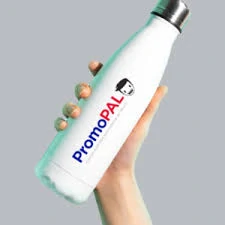
Stainless steel bottles dominate office environments. They’re visible during video calls. They sit on desks all day. Brand exposure happens continuously throughout the workday.
Bamboo coffee cups appeal to cafe culture. They reduce single-use cup waste. Baristas often provide discounts for reusable cups. Your brand gets seen in public spaces regularly.
Quality matters more than price with drinkware. A leaky bottle damages your reputation. Proper insulation creates daily value. Recipients associate product quality with brand quality.
Sustainable Apparel That Gets Worn
Organic cotton t-shirts feel better than synthetic alternatives. They last longer with proper care. People wear comfortable promotional clothing repeatedly. Your brand gains sustained visibility.
Recycled polyester caps suit outdoor events and sports teams. They’re durable and weather-resistant. Active wear promotional items get extensive use. Brand exposure happens during exercise. Recreation too.
Sustainable promotional umbrellas made from recycled materials provide practical value. Australian weather makes umbrellas essential. They’re shared between colleagues. Family members use them too.
Office Products with Environmental Benefits
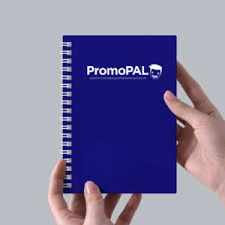
Recycled paper notebooks remain conference staples. People take notes during presentations. Branded stationery sits on desks between meetings. Quality notebooks get used completely before replacement.
Wheat straw pens offer plastic-free alternatives. They write smoothly. Feel comfortable in hand. Biodegradable pens reduce environmental impact. Recipients often comment on sustainable materials.
Quality conference swag works best when it’s immediately useful. Sustainable stationery meets this requirement. Attendees actually want quality writing materials.
Bags That Build Brand Visibility
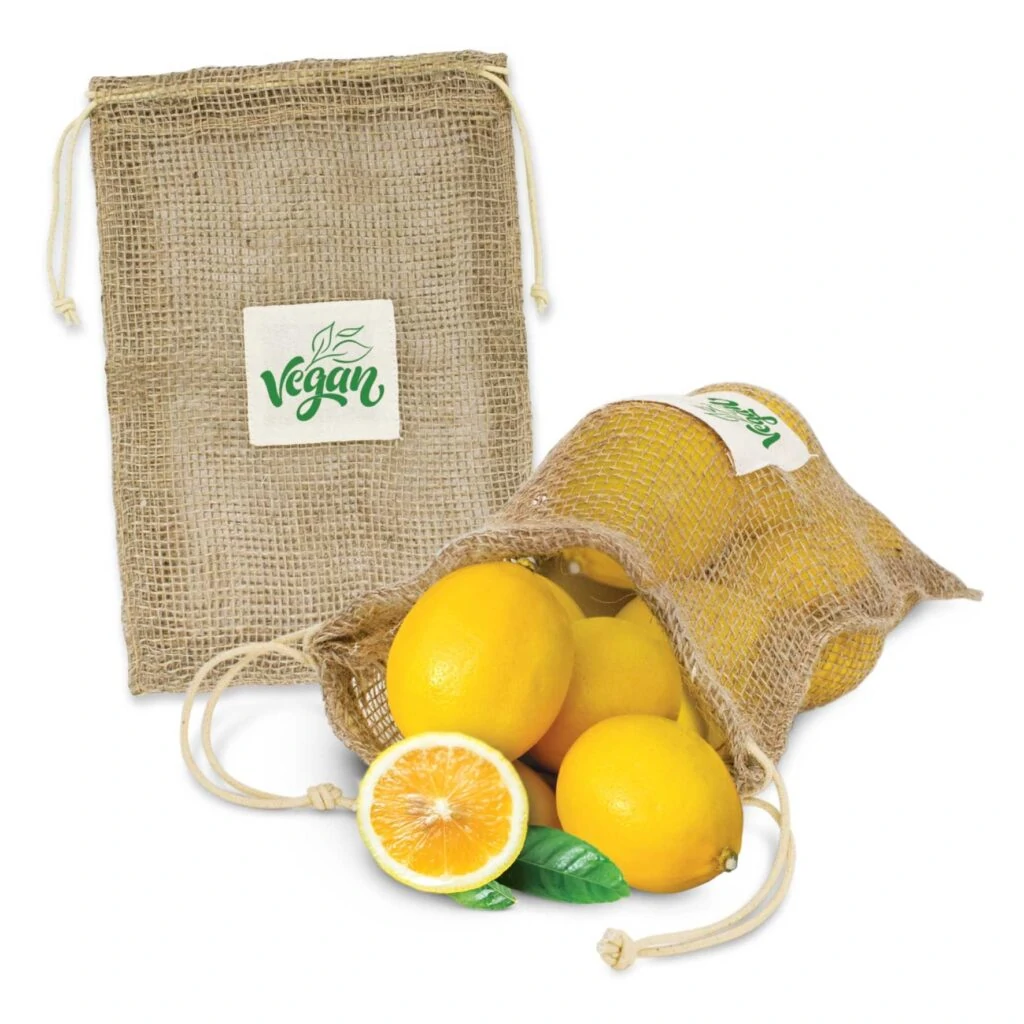
Cotton tote bags have replaced plastic shopping bags nationwide. They’re used weekly for groceries and errands. Your brand travels throughout local communities. Shopping bag bans have increased tote bag demand. Significantly.
RPET bags made from recycled bottles tell sustainability stories. Recipients often ask about the recycling process. These conversations reinforce environmental messaging.
Educational moments strengthen brand positioning.
Canvas bags offer superior durability for heavy items. They’re perfect for trade shows and markets. Quality construction ensures long-term use. Your brand stays visible for years.
Technology Accessories for Modern Audiences
Solar chargers appeal to outdoor enthusiasts and emergency preparedness. They provide practical backup power. Recipients associate your brand with innovation. Sustainability too. Tech accessories generate conversation about environmental benefits.
Biodegradable phone cases protect devices while reducing plastic waste. They’re conversation starters about sustainable alternatives. Tech-savvy audiences appreciate environmental innovation.
Recycled plastic earbuds combine functionality with sustainability messaging. They work perfectly for tech campaigns. Younger demographics love them.
Current Trends Shaping The Market
Australian-made products have gained serious momentum. Local production reduces carbon footprints. Delivery times are faster. Quality control is easier. Supporting domestic manufacturing resonates with customers.
Circular economy principles influence product design. Items are created for reuse and recycling. End-of-life disposal becomes part of the planning process. Sustainable materials replace traditional plastics. Systematically.
Certification requirements are increasing. Global Recycled Standard (GRS) verification proves recycled content claims. Forest Stewardship Council (FSC) certification ensures responsible forestry. Third-party validation prevents greenwashing accusations.
Minimalist branding approaches focus on product longevity. Subtle logos age better than bold graphics. Recipients keep understated items longer. Brand exposure continues after events end.
Carbon-neutral shipping options are becoming standard requests. Businesses want their promotional products delivered sustainably. Transport emissions count toward environmental footprints.
Business Benefits Beyond Environmental Impact
Brand credibility improves when actions match messaging. Sustainable promotional products support environmental claims. Customers notice consistency between values and behaviour. Trust builds through authentic demonstration.
Risk management includes regulatory compliance. Choosing sustainable options prevents future restrictions. Businesses avoid scrambling when new bans take effect. Proactive sustainability planning reduces operational disruption.
Employee satisfaction increases with values alignment. Staff feel proud working for environmentally conscious employers. Sustainable promotional products become recruitment advantages. Company culture strengthens through consistent environmental commitment.
Customer relationships deepen through shared values. Environmental responsibility creates emotional connections. Sustainable promotional products start conversations about broader commitments. Brand loyalty grows through authentic sustainability demonstration.
Selecting Products That Actually Work
Material verification prevents greenwashing risks. Request detailed certifications and documentation. Verify recycled content percentages and environmental claims. Choose suppliers who provide transparent information willingly.
Quality assessment matters as much as sustainability credentials. Test product samples for durability and functionality. Poor-performing sustainable items damage brand reputation. Environmental benefits don’t excuse product failures.
Audience matching ensures promotional success. Consider recipient lifestyles and preferences. Office workers need different products from outdoor enthusiasts. Quality branded sports bags work for fitness-focused audiences but not desk workers.
Supplier evaluation includes labour practices and ethics. Environmental sustainability must include social responsibility. Fair wages and safe working conditions matter. Choose suppliers who demonstrate comprehensive sustainability.
Production timelines require advance planning. Sustainable materials often need longer sourcing periods. Certification processes add time to production schedules. Plan campaigns months ahead for the best results.
Packaging considerations affect environmental impact. Sustainable products arriving in excessive plastic packaging contradict messaging. Choose suppliers offering minimal, recyclable packaging options.
Making It Work For Your Business
Start with an audit. Check what promotional products you’re currently using. Which ones could be replaced? High-volume items should be your first priority. Maximum environmental impact. Less disruption.
Budget planning needs a different approach. Yes, sustainable products sometimes cost more upfront. But think about total lifetime value. Extended use means more brand impressions. Better ROI when you calculate it properly.
Find suppliers who get it. Not everyone understands sustainability requirements. You need partners who can deliver on environmental promises. Build those relationships early. Consistency matters for your brand message.
Communication is tricky. Nobody wants to be preached at about environmental benefits. Let the product quality do the talking. Good stuff speaks for itself. People notice when things are well-made.
Your team needs to understand why you’re making this switch. Environmental benefits, sure. But also the business reasons. Customer expectations. Regulatory changes. Everyone should be on the same page.
Here's The Reality
Look, I’ll be straight with you. This transition isn’t always easy. Some sustainable options cost more. Lead times can be longer. You might cop questions about unfamiliar materials.
But here’s what I’ve seen happen. Businesses that switch early? They get ahead of their competitors. Brand reputation improves fast. Customer loyalty gets stronger. Staff feel better about where they work.
The rules are changing whether we like it or not. More plastic bans are coming. Tougher environmental standards. Companies still handing out cheap plastic junk look dated.
Think about what your promotional products say about your business. Are they telling the right story? Australian consumers are moving toward sustainability. You can lead that change or get dragged along later.
Starting doesn’t have to be overwhelming. Pick one product category. Try some sustainable alternatives with a small order. See how they perform. Build your knowledge gradually.
I’ve watched plenty of businesses make this switch successfully. The ones who do best start with realistic expectations. They test products properly. They choose suppliers carefully.
The market’s heading this way anyway. Environmental responsibility isn’t going anywhere. Your customers expect it. Your employees want it. The regulations are pushing it.
You can wait and react when you’re forced to change. Or you can get ahead of it now and turn sustainability into a competitive advantage.
Want to explore some options that actually work for Australian businesses? I’ve helped heaps of companies find eco-friendly promotional products their customers love using. Contact us and let’s chat about what might work for your specific situation.